

Key Takeaways:
- Senior independence is closely tied to dignity, choice, and the ability to remain involved in daily life.
- Thoughtful home adjustments and regular movement can help seniors continue living safely and confidently.
- Emotional well-being and social connection play an essential role in long-term independence.
- Community and care resources can support independence without removing personal autonomy.
Introduction
For many older adults, remaining at home means far more than physical comfort. It is about staying connected to familiar routines, personal memories, and the simple freedom to make everyday choices. As people age, they experience gradual physical and emotional changes, and the right kind of support can help protect their independence rather than take it away.
With thoughtful adjustments and a compassionate, patient approach, seniors can continue to live in ways that feel purposeful, dignified, and true to themselves. This guide explores gentle, practical ways to support ageing in place, build confidence over time, and nurture a sense of fulfilment in the later years of life.
Creating a Safe and Supportive Home Environment
A safe home environment is often the foundation of senior independence. Small, well-considered changes can make daily movement feel more secure and less tiring. Installing grab bars in bathrooms, improving lighting along walkways, and using non-slip mats in frequently used areas help reduce the risk of falls without altering familiar routines.
Thoughtful reorganisation can also ease physical strain. Placing everyday items within easy reach, keeping pathways clear, and choosing supportive seating allow seniors to move more comfortably while conserving energy. These adjustments help maintain a sense of familiarity while offering practical, everyday support.
Along the way, as needs evolve, some families may begin thinking ahead and exploring longer-term living options, including a private nursing home, as part of future planning. When considered calmly and without urgency, these environments can continue to respect personal routines, autonomy, and dignity, rather than representing a sudden loss of independence.
Staying Active Through Regular Movement
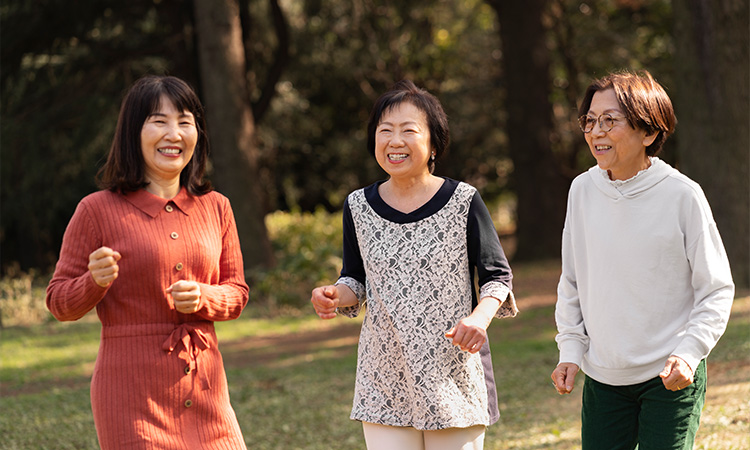
Movement supports far more than physical strength. Regular activity helps maintain balance, coordination, and confidence, all of which are essential to senior independence. Gentle options such as walking, swimming, stretching, or tai chi allow seniors to stay active in ways that feel manageable and reassuring, while also lowering the risk of falls.
After illness, injury, or a hospital stay, some seniors may need additional support to rebuild strength and confidence. A rehabilitation centre for the elderly in Singapore can provide structured, short-term assistance focused on helping individuals regain functional ability and return to familiar daily routines safely and comfortably.
Supporting Mental Well-being and Social Connection
Independence extends beyond physical ability. Emotional and cognitive well-being play an equally important role in how seniors experience daily life. Activities that stimulate the mind, such as reading, listening to music, working on puzzles, or exploring creative hobbies, help maintain mental clarity while providing comfort, enjoyment, and a sense of routine.
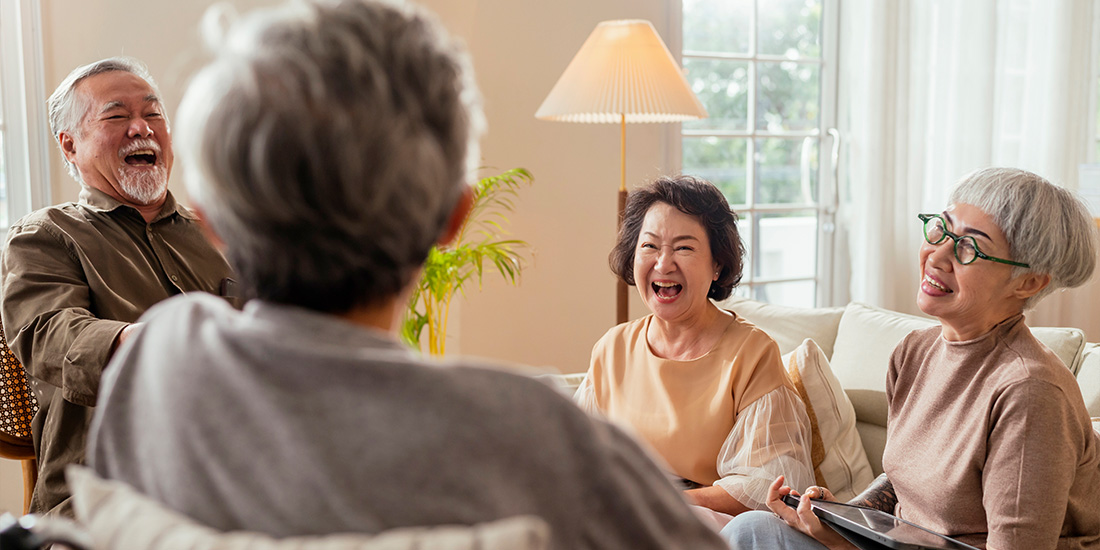
Social connection is just as meaningful. Regular conversations with family, friends, or neighbours help reduce feelings of isolation and strengthen a sense of belonging. When seniors feel listened to and valued, senior independence is easier to sustain and feels more emotionally grounded.
Exploring Community Resources Without Pressure
Community resources can support senior independence when they are introduced as choices rather than expectations. An active ageing centre provides opportunities for social interaction, light physical activity, and learning in a calm, welcoming environment. Seniors can decide how and when they wish to take part, choosing activities that feel comfortable and meaningful to them. This sense of control helps participation feel supportive and encouraging, rather than intrusive or overwhelming.
Encouraging Meaningful Contributions to Society
Many seniors continue to find a strong sense of purpose through contribution. Volunteering, mentoring, or taking part in community initiatives allows older adults to share their experience, skills, and perspectives in ways that feel meaningful. These roles help maintain a sense of relevance and autonomy while naturally strengthening social connections.
Feeling useful and appreciated supports emotional resilience, which in turn helps sustain independence. Purpose does not fade with age. For many, it becomes richer and more deeply felt.

Closing Thoughts: Supporting Independence with Care and Understanding
Ageing does not mean losing control over one’s life. With thoughtful home adjustments, regular movement, meaningful relationships, and access to the proper support, senior independence can be sustained in ways that feel respectful and empowering. What matters most is taking time to understand each individual’s preferences and offering support that evolves gently, without haste or pressure.
At Orange Valley, care is guided by patience, empathy, and respect for personal choice. If you are considering how best to support an older loved one while planning calmly for the future, our care team is here for a quiet, honest conversation.
Get in touch to learn how we can support your family with care that upholds dignity, continuity, and peace of mind.