

Introduction
As we age, staying active becomes less about pushing limits and more about feeling steady, capable, and well in everyday life. Regular exercise supports physical strength, helps maintain mobility, and plays a vital role in mental well-being, allowing seniors to continue daily routines with confidence and ease.
Ageing today often looks very different from how it did in the past. You might come across an 80-year-old completing a series of pull-ups at a neighbourhood park, or a retiree who discovers tai chi later in life and makes it part of a gentle morning ritual. These moments are inspiring, yet they also offer reassurance. Meaningful movement does not have to be intense to be effective. Simple, consistent activity can have a real impact, especially for seniors facing mobility changes or cognitive challenges.
For families supporting an ageing loved one, the idea of exercise can feel uncertain at first. Questions around safety, suitability, and confidence are entirely natural. The good news is that there are many low-impact, adaptable ways to stay active that respect each individual’s pace and abilities.
In this guide, we explore how thoughtful movement supports physical and mental health in later life, and how regular exercise fits naturally into active ageing for seniors in a safe, positive, and supportive way.
Key Takeaways:
- Staying physically active in later life supports mobility, cognitive function, and emotional well-being, helping seniors maintain confidence and independence in their daily routines.
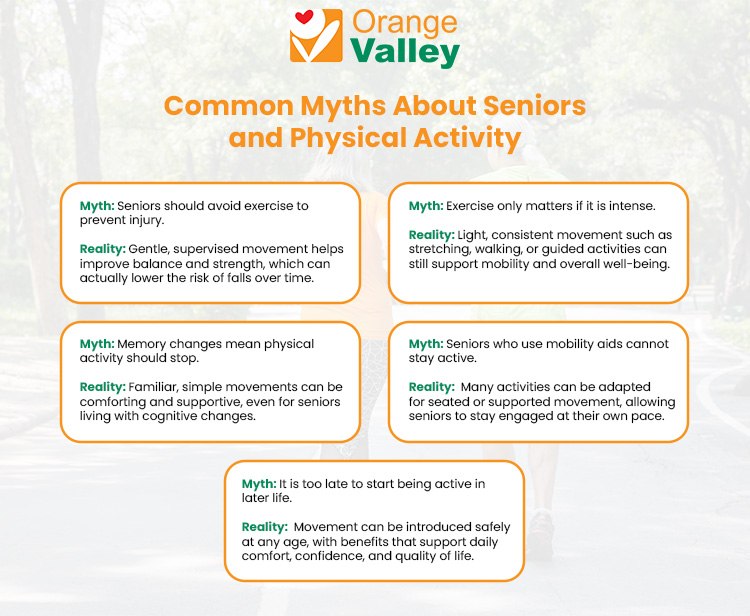
- Exercise does not need to be strenuous to be effective. Gentle, consistent movement adapted to individual abilities can deliver meaningful health benefits at any stage of ageing.
- Thoughtfully designed movement programmes are especially valuable for seniors with mobility limitations or cognitive changes, providing structure, reassurance, and a sense of purpose.
- Supportive care environments that integrate physical activity into daily life help seniors stay engaged, socially connected, and emotionally supported, while offering families peace of mind.
The Link Between Regular Exercise, Longevity, and Cognitive Health
Regular exercise supports far more than physical strength in later life. It contributes to longer, healthier lives while helping to maintain cognitive resilience and emotional balance. With consistent, age-appropriate movement, seniors are better able to stay engaged in daily routines, move with greater confidence, and adapt more comfortably to physical changes over time. Just as importantly, staying active supports social connection and emotional well-being, helping seniors remain connected to the people, activities, and rhythms that bring familiarity and meaning to everyday life.
The Role of Exercise in Physical Health and Longevity
Movement helps the body adapt to changes that come with age. Regular exercise supports healthy circulation and heart function, helping seniors maintain stamina and manage everyday tasks with greater ease and steadiness. Even gentle routines, when practised consistently, contribute to stamina and overall cardiovascular health over time.
Physical activity is equally important for maintaining bone and muscle health, which naturally become less resilient with age. Weight-bearing movements and light resistance work help manage concerns such as joint stiffness, bone density loss, and age-related muscle weakening. These mobility exercises for older adults strengthen balance and coordination, making everyday activities like standing, walking, or reaching feel safer and more controlled.
Another overlooked benefit is immune support. Staying active helps regulate inflammation and supports the body’s natural defence systems, which can aid recovery and resilience during periods of illness. Just as importantly, maintaining physical fitness enables seniors to remain involved in daily routines, reinforcing independence and self-confidence through regular exercise.
In care settings, movement is often woven gently into daily life. Many private nursing homes in Singapore incorporate occupational therapy and structured programmes that focus on strength, balance, and functional mobility. In nursing home environments, tailored routines such as seated mobility work, stretching, and guided exercises are adjusted to individual abilities, ensuring seniors remain active and supported without feeling pressured or overwhelmed.
Cognitive Benefits of Regular Exercise
Physical movement is closely connected to brain health, especially in later years. Regular exercise increases blood flow to the brain, supporting cognitive resilience and helping brain cells function more effectively. Over time, this contributes to clearer thinking, better processing, and a slower pace of cognitive decline, which can be reassuring for both seniors and their families.
Research consistently shows that seniors who remain physically active have a lower risk of developing dementia-related conditions. Activities that combine movement with coordination or rhythm, such as walking routines, tai chi, or gentle dance sessions, stimulate multiple areas of the brain at once. These forms of movement support memory, attention, and focus while remaining enjoyable and accessible, even for those who may feel hesitant about exercise.
For seniors living with dementia, movement remains both valuable and meaningful. Private care for dementia patients often includes carefully planned routines that use familiar, repetitive movements to reduce anxiety and support engagement. Chair-based exercises, light stretching, and short supervised walks are commonly used as forms of physical activity for dementia patients, helping maintain routine and encourage moments of mental clarity. When introduced gently and consistently, regular exercise becomes a reassuring part of daily life rather than a source of stress.
Emotional and Social Advantages of Staying Active
Beyond physical and cognitive benefits, movement plays an essential role in emotional well-being. Regular exercise encourages the release of endorphins, which helps ease feelings of stress, anxiety, and low mood. Over time, this can lead to better sleep patterns, improved appetite, and a steadier emotional outlook, helping seniors feel more settled and comfortable in their daily lives.
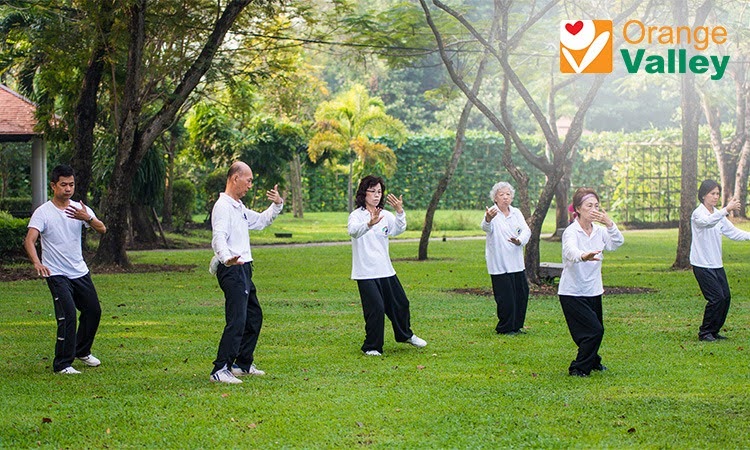
Staying active also supports meaningful social connections. Group-based activities such as tai chi sessions, guided walks, or gentle exercise classes create shared experiences that encourage conversation and companionship. These moments help seniors feel acknowledged and included, reinforcing the sense that they are part of a supportive community rather than having to navigate ageing alone.
Participation in programmes at an active ageing centre often strengthens this sense of belonging, particularly for seniors who may otherwise feel isolated. In short-term respite care settings, structured rehabilitation and movement routines offer added reassurance. They support recovery after hospitalisation while helping seniors regain confidence through regular exercise, giving families peace of mind that both physical and emotional needs are being gently supported.
Implementing an Effective Exercise Routine for Seniors
Starting or maintaining an exercise routine in later life is less about pushing limits and more about feeling steady and supported. Regular exercise works when it is consistent, safe, and adapted to what feels achievable for each individual. When movement is shaped around a senior’s physical condition, confidence level, and daily rhythm, it becomes a natural and reassuring part of care rather than an added source of pressure.
Tailoring Exercises to Individual Needs and Abilities
Every senior brings different strengths, limitations, and preferences, which is why a single approach rarely suits everyone. Regular exercise is most effective when it feels manageable and aligned with individual abilities. Activities such as swimming, walking, and tai chi are commonly used forms of low-impact exercise for elderly individuals, as they support cardiovascular health and mobility while placing minimal strain on joints.
Strength building remains just as important. Light resistance work with bands or body weight helps maintain muscle mass and bone density, supporting everyday activities like standing, sitting, and reaching with greater ease. Balance and flexibility routines, including guided stretching, supported balance drills, and controlled range-of-motion exercises, further improve stability and coordination, helping to reduce the risk of falls over time.
The strongest outcomes come from personalised planning. Exercise routines should take into account medical history, current mobility, and personal comfort levels. Guidance from physiotherapists or trained care professionals ensures that regular exercise remains safe, purposeful, and responsive to changing needs, particularly within senior fitness and rehabilitation programmes.
Overcoming Barriers to Regular Exercise
Many seniors recognise the value of staying active, yet taking part in structured exercise can still feel challenging. In Singapore, data from the Ministry of Health shows that only about 24 percent of adults aged 60 to 74 engage in regular leisure-time exercise, a notably lower rate than in younger age groups.
Further research by Duke-NUS indicates that around one-third of older adults do not meet recommended activity levels, while about 17 percent spend more than 7 hours a day in sedentary behaviour. These figures reflect not a lack of awareness, but the real barriers seniors face as they age.
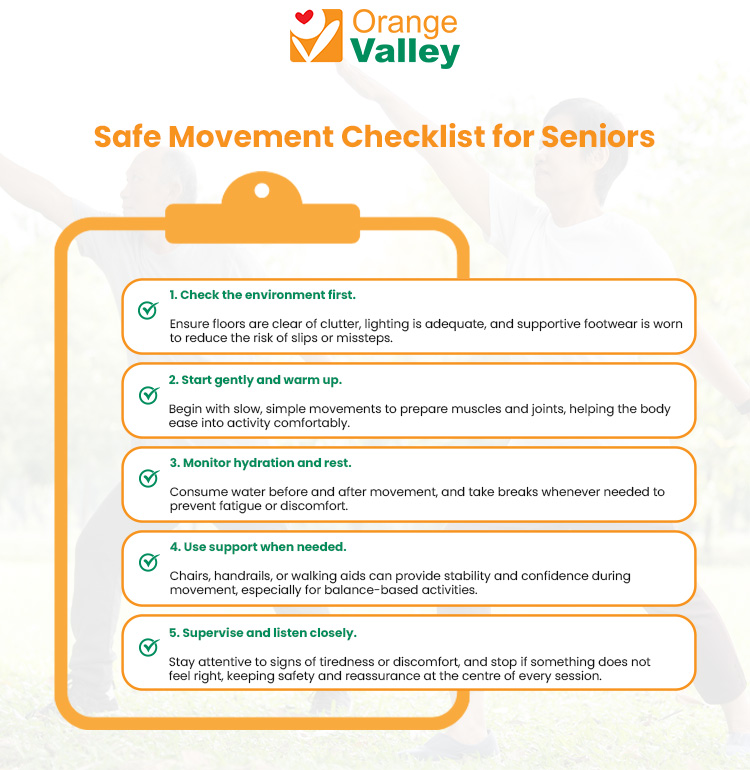
Fear of injury is one of the most common concerns. Worries about falls or strain can discourage movement altogether. Supervised sessions, proper warm-ups, and clear guidance help address these fears by creating a sense of safety and reassurance. Motivation can also fade, especially when exercise feels repetitive or isolating. Encouragement from caregivers, family members, or peers in group settings often makes regular exercise feel more achievable and emotionally supported.
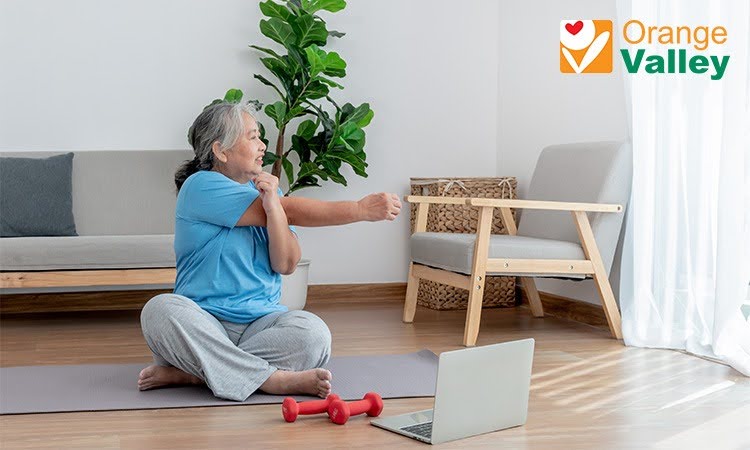
For seniors with limited mobility, traditional exercise routines may feel out of reach. Seated movements, hydrotherapy, and gentle stretching provide accessible alternatives that still support circulation, flexibility, and confidence. Advances in technology have also opened new possibilities. Virtual exercise programmes allow participation from home, while interactive and gamified activities can make movement feel more engaging and less like a chore.
Community-based support remains crucial. Active ageing centres offer structured group activities that help seniors build routine, stay motivated, and feel socially connected. These environments reinforce the idea that regular exercise is not just about physical health, but also about belonging, encouragement, and shared experience.

Questions You Might Have
1. What types of exercise are appropriate for seniors with limited mobility?
For seniors with limited mobility, low-impact exercises such as chair-based movements, gentle water aerobics, or assisted physiotherapy can be especially helpful. These activities support circulation, strength, and joint comfort while placing minimal strain on the body. Because they can be adjusted to suit individual abilities, they allow seniors to stay active in a way that feels safe and manageable. Even small, simple movements like light stretching or seated leg lifts can gradually improve strength, flexibility, and confidence in everyday movement.
2. Can regular exercise help dementia patients?
Regular exercise can significantly improve the health of people with dementia. It helps boost circulation, which is good for brain health and provides mental stimulation, which can slow cognitive decline. Plus, the emotional benefits of staying active, like improved mood and reduced stress, can be just as crucial for dementia patients.
3. What precautions should be taken during exercise?
When it comes to exercise in later life, safety should always come first. Proper supervision is important, particularly for seniors who may be at higher risk of falls or discomfort during movement. Simple steps, such as staying well hydrated and having a medical assessment before starting an exercise routine, help ensure activities are appropriate for each individual’s health needs. Most importantly, exercises should be adapted to a senior’s fitness level and abilities, allowing them to move in a way that feels secure, comfortable, and reassuring.
Conclusion
Staying active plays a meaningful role in supporting seniors as they age. It helps preserve mobility, supports mental clarity, and nurtures a sense of purpose in everyday life. From gentle, low-impact movement to structured programmes for dementia care, regular exercise offers benefits that go far beyond physical health. When movement is introduced thoughtfully and at a comfortable pace, it can positively influence how seniors feel, think, and stay engaged with the world around them.
At Orange Valley, seniors are supported across different levels of frailty through a continuum of care that includes Nursing Homes, Senior Care Centres, and Active Ageing Centres. Each setting incorporates personalised movement routines as part of daily care, recognising that physical activity also supports emotional wellbeing, confidence, and connection. Our Active Ageing Centre at Alkaff further extends this approach through community rehabilitation sessions, offering accessible ways for seniors to remain active, socially connected, and involved in daily life.
Choosing the right care environment can feel like a significant decision for families. If you are looking for a supportive, safe, and welcoming setting where your loved one can continue to move with confidence and dignity, reach out to learn more about how we can support their journey and help them experience each day with greater comfort and purpose.